Cap Skirring
Ten kilometres of coconut-fringed sand in Diola country — fifty minutes by air, a whole day by road.
- Beach
- Nature
- Families
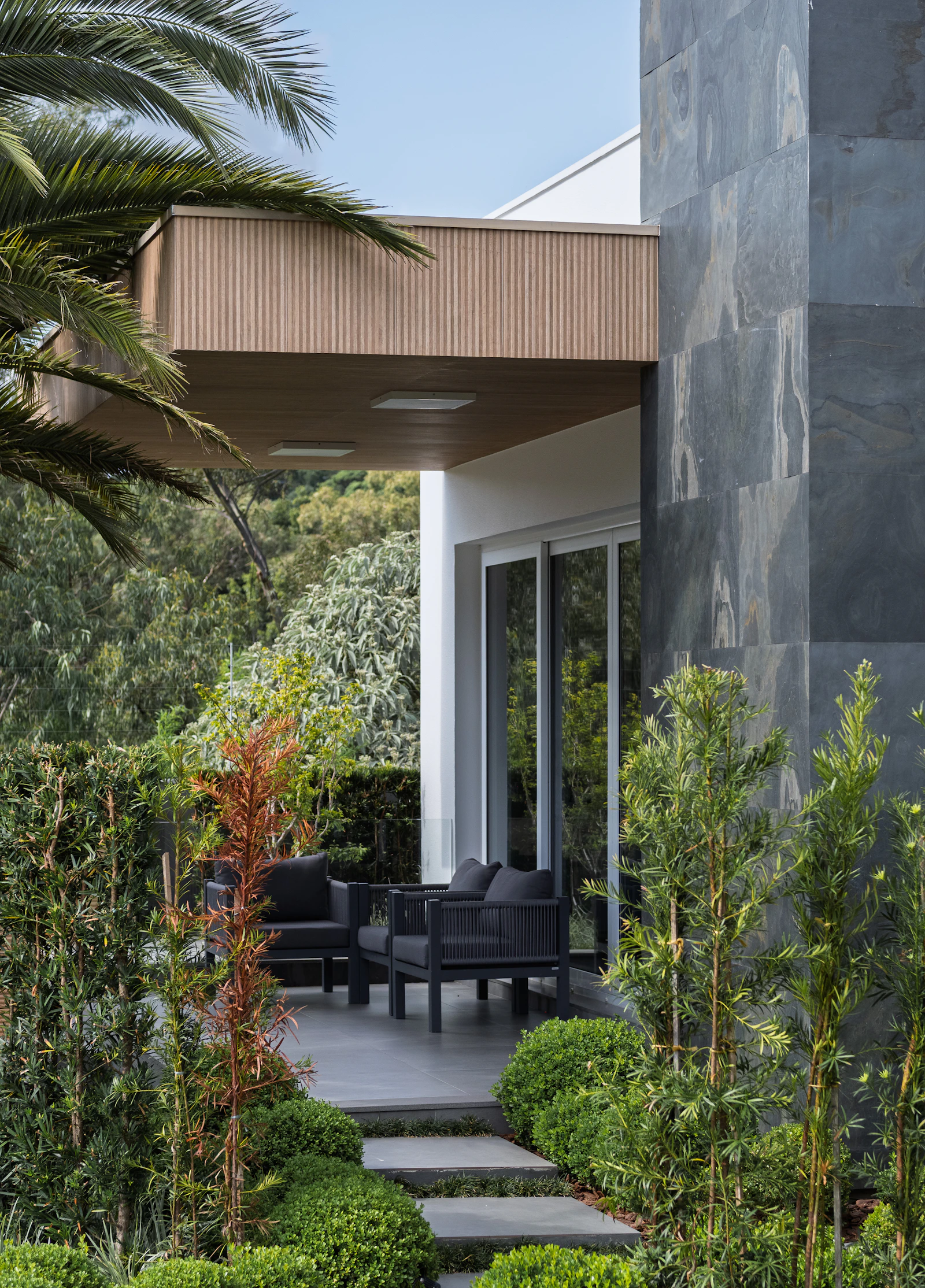
Cap Skirring is seven hundred kilometres from Dakar and in another climatic country. This is Casamance, Diola country: it rains from June to October, the earth is red and heavy, rice paddies run down to the tidal creeks, and oil palms replace the baobabs. The dry season turns all that into ten kilometres of pale sand fringed with coconut palms, a sea warmer than Dakar's, and almost nobody on it.
The village owes its fame to the Club Med, opened in 1973 right beside the airstrip, which brought the first direct flights and put the name on the maps. But the Cap is still a string of villages — Boucotte, Kabrousse, Diembéring — where people grow rice, harvest oysters off mangrove roots, and tap bunuk, palm wine, climbing the trunk in a liana belt. Kabrousse is the village of Aline Sitoé Diatta, the priestess-queen who called for refusal of colonial taxes and requisitions, arrested in 1943 and deported to Timbuktu, where she died: hers is the name the ferry between Dakar and Ziguinchor carries today.
What you do here: nothing spectacular, and that is the programme. Walk the beach to the next village, eat braised fish and Casamance rice under a paillote, take a pirogue into the bolongs among the mangroves, listen to an ekonting in the evening, sleep early. The Cap's small market sells the essentials; the power can drop; the laterite roads are broken up after the rains.
The useful season runs November to May. In August most addresses close, the rain falls in sheets, and the road north crosses two borders.
Two things to sort out before you leave. Money first: there are cash machines at the Cap, but they break down, and most camps, pirogue men and village restaurants do not take cards — bring enough cash for the week. Then culture: Casamance is a country of sacred groves and initiations, and some places are neither visited nor photographed. Ask first, you will get a straight answer, and asking that question is worth more than any guidebook.
Getting there
By air it is simple: Dakar to Cap Skirring, about 50 min with Air Sénégal, several rotations a week in season, and the airport is 3 km from the beaches. That is what nearly every visitor chooses, and December and February need booking early. By sea: the ferry Aline Sitoé Diatta links Dakar to Ziguinchor in about 15 h, twice a week, with cabins to book far ahead, then 70 km of road to the Cap (1 h 30 to 2 h). By road: allow a full day — 700 km through the Gambia and over the Farafenni bridge, two border crossings, or considerably more via Tambacounda. Locally, taxis or bicycles between the villages.
Coming up
Casamance season, November to May
From November 1, 2026 to May 31, 2027
In Casamance the dry season is sharper still. It rains from June to October — genuinely: more than a metre of water, laterite roads cut, hotels closed, flights reduced. Then in November it all stops at once, the light changes, and the region becomes what people come for: ten kilometres of coconut-fringed beach, a sea at twenty-six degrees until May, rice fields still green and bolongs navigable by pirogue.
November and December are the finest months: the vegetation has not dried out yet, the rice harvest is in full swing in the Diola villages, and mangrove oysters reach the markets. February and March are hotter and drier; in April and May the heat climbs but the sea is at its warmest.
The flight calendar matters as much as the weather: Air Sénégal adds Dakar-Cap Skirring rotations in season, and direct flights from Europe resume in winter. The two weeks to book far ahead are Christmas and February. Outside those peaks you will have the beach to yourself — literally: three kilometres without a soul is not unusual at Boucotte in March.
December: the month everyone comes home
From December 1 to December 31, 2026
In December, Senegal changes composition. Flights from Paris, Milan, Madrid, New York and Casablanca land full, families drive to AIBD at three in the morning to collect their own, and houses fill with suitcases of presents. It is the month of weddings — more are held in December than in six ordinary months — of naming ceremonies postponed until the uncle from Milan is back, of housewarmings for homes built at a distance over five years, and of reunions planned since the summer.
In practice that means three things. Airfares double from mid-December. Rooms are booked early, especially in Dakar, Saly and each family's home town. And the roads are heavy at weekends, particularly Dakar-Touba, Dakar-Kaolack and Dakar-Saint-Louis.
It is also the best time of year to be here. The weather is dry, it is twenty-five degrees, the sea is still warm, and the drumming in the courtyards never stops before two in the morning. If you are housing someone coming home — a mother, a brother, cousins passing through — this is the month when nobody forgets to count the beds.
Tabaski: the sheep, the family, the road
From May 15 to May 18, 2027
Tabaski — Eid al-Adha — falls on the 10th of Dhu al-Hijjah, which means around Sunday 16 May 2027. In Senegal the exact date is announced a few days ahead by the religious authorities, and the country sometimes celebrates over two days: it has happened again in recent years, and nobody treats it as a crisis.
It is the most important feast of the year. Every head of household who can afford it buys a sheep — prices have been climbing for weeks, sale yards appear on the waste ground of Dakar, and the national conversation is the going rate for a ram. The day before, tailors deliver in a panic the outfits sewn at the HLM market. On the day itself: open-air morning prayer, the sacrifice, the butchering, grilling all day, visits to neighbours and elders, and the formula repeated from house to house to ask forgiveness.
For a traveller: transport is besieged three days ahead — everyone goes back to the village — banks and public offices close, so do many restaurants, and taxis are scarce on the morning of the feast. On the other hand, if you are staying with someone, you will eat as never before.